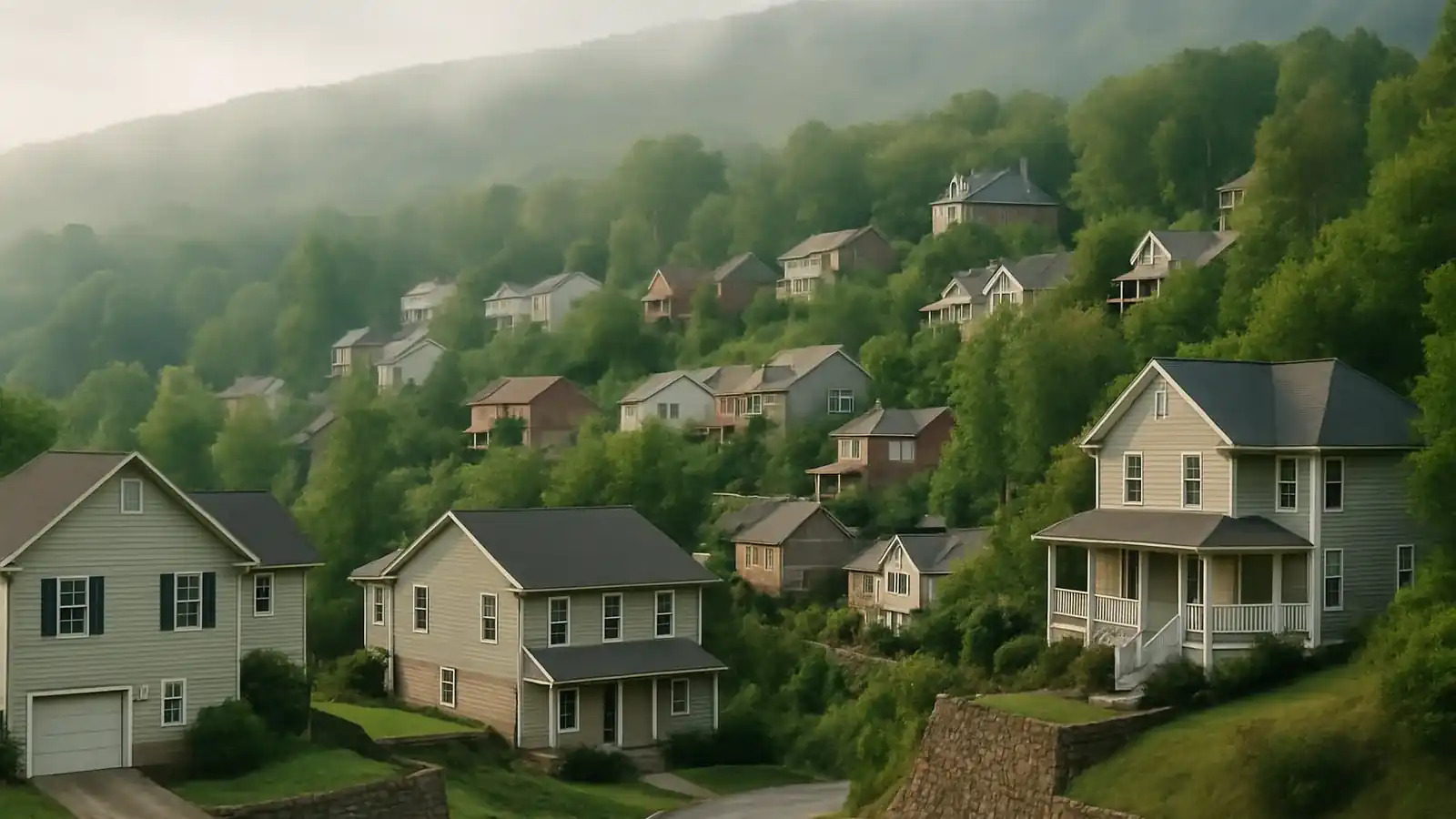
Foundation crack repair in Chattanooga runs $400–$1,500 for most injections and reinforcement. Direction decides urgency: horizontal cracks signal lateral pressure (common on the uphill wall of a cut-slope house) while vertical and diagonal cracks usually mean settlement or shrinkage.
Here's how cracks get triaged in this market before anyone quotes material.
Direction first, then whether it moves
- Horizontal, in a foundation wall: lateral pressure. The serious category, especially on the uphill side, and it belongs on the bowing wall track.
- Stair-step through mortar joints: differential settlement below, tracking a footing that moved
- Vertical, in a poured wall. Most often shrinkage from the original cure; common, and a leak problem rather than a structural one
- Diagonal from a window or door corner: stress concentration at an opening, from settlement or wall movement
The test costs a pencil: mark both ends, date it, photograph it, and look again after a heavy storm and a few months on. This is a wet metro, so a crack that reacts to rainfall is pointing at water as the driver, which usually makes it a drainage question with a crack attached.
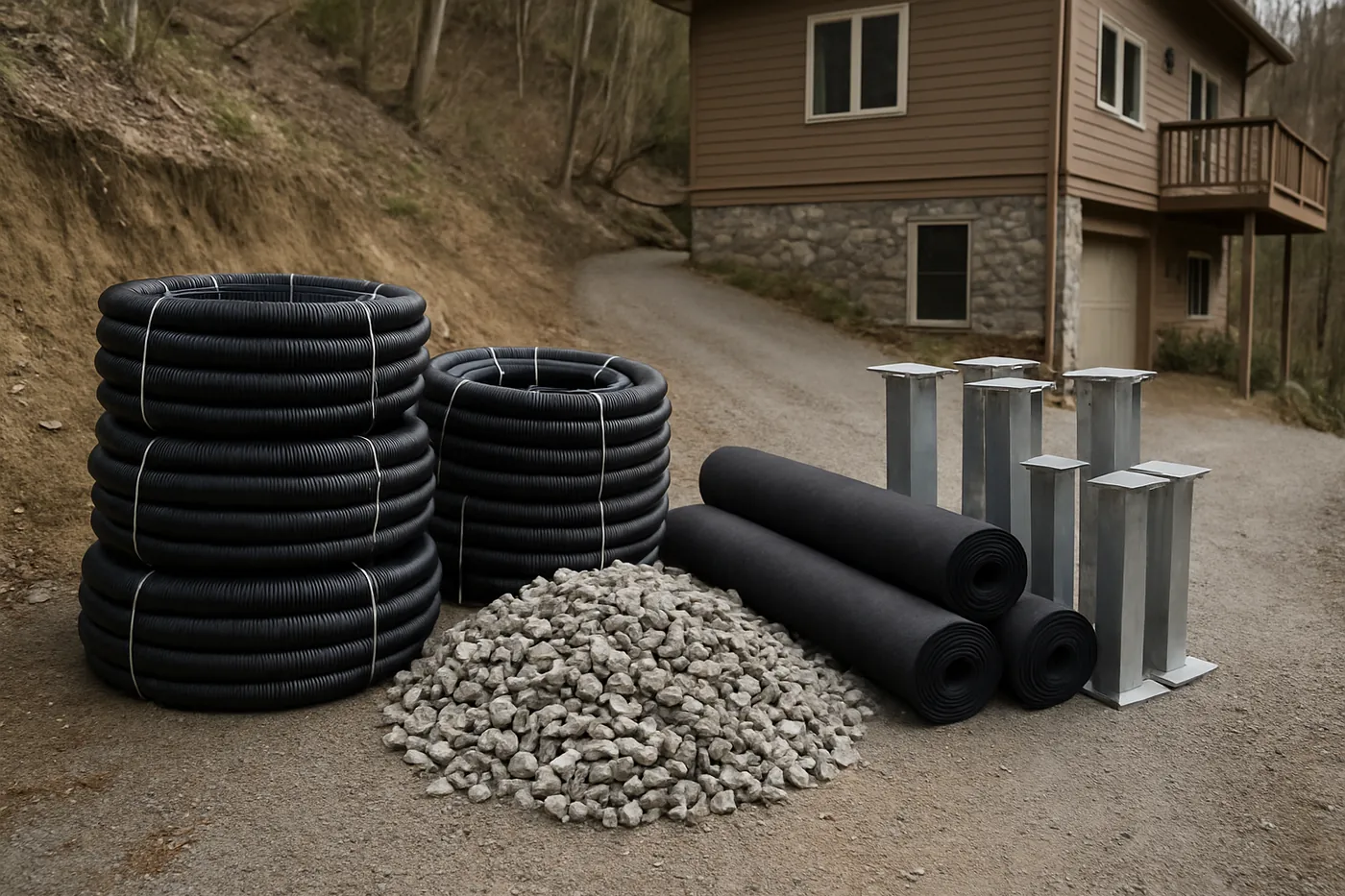
A leaking crack on a hillside is a clue, not just a leak
Water entering through a crack arrived at that wall somehow, and on a slope the "somehow" is usually upstream and fixable. Sealing the crack stops the symptom; finding what delivers water to that spot stops the process. That's why a good crack scope names the suspected source next to the repair line, and why a meaningful share of them recommend correcting the slope water alongside, at a price that's often lower than the injection.
Material follows the diagnosis
- Polyurethane injection: flexible, expands on contact with water, the standard for an active leak in a poured wall
- Structural epoxy: rigid load transfer, once the movement causing the crack is corrected
- Carbon fiber staples: across cracks with a documented widening history
- Mortar repointing: restores brick and sheds water after the structure below is stable
Why the cause belongs beside the crack
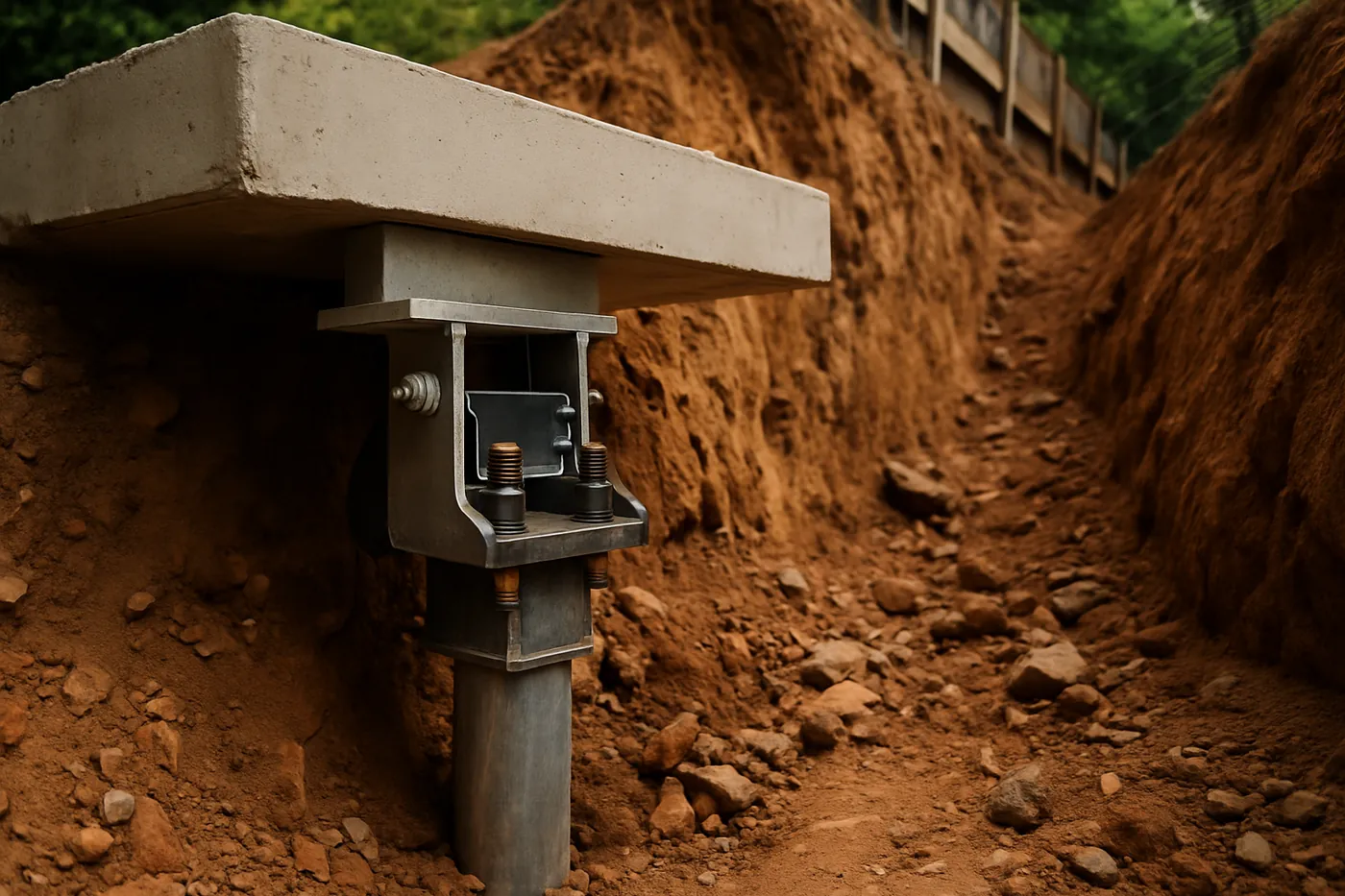
Sealing is inexpensive. Sealing the same crack three times isn't. A good crack scope names what is believed to be driving it (slope water, lateral pressure, settlement, or ordinary shrinkage) and prices that separately, so you can see whether you're buying a repair or a patch on an ongoing problem.
What is the right fix for this kind of crack?
Ridge-and-Valley houses collect water from above: steep slopes deliver runoff straight to uphill walls, and 54 inches a year concentrated into winter and spring gives cracks a season to open and a season to weep.
| Option | What it does | How it plays out here |
|---|---|---|
| Epoxy fill | Bonds a poured wall back into one piece | Right for a poured wall that has finished moving: rare on a slope still taking runoff |
| Urethane seal | Flexible fill that stops water in a live crack | The workhorse here: winter-spring water finds every live crack in the metro |
| Carbon fiber | Restrains a wall that is bowing or stepping | Earns its keep on uphill walls taking concentrated slope load |
| Support first | Underpinning where the crack is only the symptom | Where limestone valleys have moved ground, the crack is a message, not the problem |
On a hillside lot, treat the crack and the runoff as one job. Sealed cracks on a wall still catching the slope's water are a subscription, not a repair.
Crack questions, straight answers
Which cracks actually matter?
Direction, width, and whether they move. Horizontal cracks in a foundation wall mean lateral pressure and are the serious category here, especially on the uphill side. Vertical and diagonal cracks are usually settlement or shrinkage, judged on width and movement. Any crack passing water gets sealed whether or not it's structural.
Can I test it myself before calling?
You can test it yourself before calling, and it costs nothing. Draw a pencil line across the crack at both ends, write the date beside it, and photograph it. Check after a heavy rain and again a few months on. In a metro this wet, a crack that responds to storms is telling you water is part of the story.
Epoxy or polyurethane: which do I need?
Polyurethane for water, epoxy for structure. Polyurethane stays flexible and expands on contact with moisture, which suits an actively leaking crack in a poured wall. Epoxy is rigid and restores load transfer across the crack, specified where an engineer wants it and where the movement causing it has been corrected.
Can cracks in brick veneer be repaired?
Cracks in brick veneer can be repaired, though brick cracks are usually a symptom rather than the cause. Repointing restores appearance and sheds water, but if the footing below is still moving or the slope is still delivering water, the crack returns along the same joints. Ask for a scope that names the cause beside the masonry line.
Get a Chattanooga foundation evaluation
Tell us what the house is doing (stair-step cracks, a wall pushed in on the uphill side, water crossing the lot, sloping floors) and we'll pass it to one independent local specialist for an evaluation. You get a call back from a local specialist who serves Chattanooga.